Finding the best ear cleaners for dogs can be confusing. Some products are made for routine maintenance, others help remove wax, and some are designed for dogs that swim or have sensitive ears.
The important thing is that not every dog needs the same type of cleaner. A dog with healthy ears may only need occasional cleaning, while a dog with recurring irritation, wax buildup, or frequent ear problems may need a more specific routine recommended by a veterinarian.
Ear cleaners can be useful, but they are not a substitute for veterinary care when an ear is painful, swollen, infected, or producing discharge. The goal is to use the right product at the right time, without irritating the ear canal or making an existing problem worse.
Quick answer: the best ear cleaner for your dog is a gentle, dog-specific solution that matches your dog’s needs. Avoid harsh home remedies, do not push cotton swabs deep into the ear canal, and call your veterinarian if there is pain, odor, redness, discharge, or repeated ear trouble.
Why Dog Ear Cleaners Matter
A dog’s ear canal can trap moisture, wax, dirt, and debris. In some dogs, especially those with floppy ears, allergies, heavy ear hair, or a history of ear problems, this can create the perfect environment for irritation.
A good ear cleaner can help loosen wax and debris before they become a bigger problem. Some cleaners also help dry the ear canal after swimming or bathing. Others are designed to be gentle enough for dogs with sensitive skin.
However, ear cleaning should be done carefully. Cleaning too often, using the wrong product, or pushing material deeper into the ear can irritate the canal. If your dog already has pain, swelling, strong odor, or discharge, contact your veterinarian before putting anything into the ear.
When Should You Use an Ear Cleaner?
You do not need to clean your dog’s ears every week simply because it feels like good hygiene. Some dogs have naturally clean ears and do not need frequent cleaning.
An ear cleaner may be useful when your dog has mild wax buildup, visible dirt around the ear opening, or moisture after swimming or bathing. It may also be part of a routine recommended by your veterinarian if your dog has a history of recurring ear issues.
Cleaning can also help you notice early changes. If you gently inspect your dog’s ears and see redness, smell a strong odor, or notice that your dog reacts with pain, that is important information. In that case, stop cleaning and ask your veterinarian what to do next.
If your dog has recently shown dog ear infection symptoms, such as head shaking, scratching, odor, redness, or discharge, do not treat the problem as simple dirt. Those signs may need proper diagnosis.
What to Look for in the Best Ear Cleaners for Dogs
The best ear cleaners for dogs are usually gentle, dog-specific, and appropriate for the reason you are using them.
For routine cleaning, look for a product made specifically for dogs. It should be suitable for the ear canal, easy to apply, and designed to help loosen wax and debris. A good cleaner should not sting, burn, or leave the ear excessively wet.
For dogs that swim often, a cleaner with a drying effect may be useful. Moisture can remain in the ear canal after swimming or bathing, especially in dogs with floppy ears. A drying cleaner can help reduce that moisture when used correctly.
For dogs with sensitive skin, the priority is gentleness. Strong fragrances, harsh ingredients, and aggressive cleaning routines may cause irritation. If your dog reacts badly to ear cleaning, stop and ask your veterinarian which product is safer.
What to Avoid in Dog Ear Cleaners
Avoid harsh products unless your veterinarian specifically recommends them. Alcohol, hydrogen peroxide, essential oils, vinegar mixtures, and human ear products can irritate the ear canal, especially when the ear is already inflamed.
You should also avoid using cotton swabs deep inside the ear canal. They can push wax and debris deeper instead of removing it. They may also hurt the ear if your dog suddenly moves.
If the ear looks red, swollen, painful, ulcerated, or has heavy discharge, do not experiment with home remedies. The ear may need veterinary treatment rather than simple cleaning.
7 Vet-Approved Tips for Choosing the Best Ear Cleaner
1. Choose a Dog-Specific Ear Cleaner
The first rule is simple: use a cleaner made for dogs. Human ear products are not designed for canine ear canals and may not be appropriate for your pet.
A dog-specific cleaner is formulated for the type of wax, moisture, and debris commonly found in dogs’ ears. It is also more likely to be compatible with the cleaning method veterinarians recommend.
2. Match the Cleaner to Your Dog’s Needs
The best ear cleaner for one dog may not be the best option for another.
A dog with occasional wax may need a basic maintenance cleaner. A dog that swims may benefit from a drying cleaner. A dog with sensitive ears may need a mild formula. A dog with recurring ear problems may need a specific product recommended by a veterinarian.
3. Avoid Harsh Ingredients
Harsh cleaners can make ear problems worse. Alcohol and hydrogen peroxide are common examples of ingredients that may irritate the canal, especially if the ear is already inflamed.
A cleaner should help the ear feel better, not make your dog pull away, cry, shake excessively, or become afraid of cleaning.
4. Do Not Use Ear Cleaners as Infection Treatment
Ear cleaners are useful for hygiene and maintenance, but they do not replace diagnosis or treatment.
If your dog has a true infection, the cause may be yeast, bacteria, allergies, ear mites, trapped moisture, or another underlying issue. Different causes may need different treatment.
If your dog has recurring problems, read more about common ear infections in dogs and speak with your veterinarian about why the issue keeps returning.
5. Consider Drying Cleaners for Dogs That Swim
Dogs that swim or get frequent baths may have more moisture in the ears. Moisture does not automatically mean infection, but it can contribute to irritation in dogs that are prone to ear problems.
A drying ear cleaner may be useful after swimming, especially for dogs with floppy ears or a history of moisture-related irritation. Do not overuse drying cleaners, though. Too much cleaning can dry or irritate the ear canal.
6. Use Wipes Only for Light Outer-Ear Cleaning
Ear wipes can be convenient, but they are not the same as a liquid ear cleaner.
Wipes are best for light cleaning around the outer ear flap and visible areas near the opening. They may help remove surface dirt, but they will not properly flush the ear canal.
Never push a wipe deep into the ear. If the problem is inside the canal, a wipe will not solve it.
7. Ask Your Vet Before Using Medicated Cleaners
Some ear cleaners contain antibacterial, antifungal, or medicated ingredients. These may be useful in certain cases, but they should not be used casually.
If your dog needs a medicated cleaner, your veterinarian should guide the choice. Using the wrong product may delay proper treatment or make symptoms harder to interpret.
Recommended Dog Ear Cleaners to Consider
There is no single best ear cleaner for every dog. The right option depends on your dog’s ears, lifestyle, sensitivity, and whether your veterinarian has recommended a specific type of product.
Affiliate note: Some links in this article may be affiliate links. If you buy through them, we may earn a small commission at no extra cost to you.
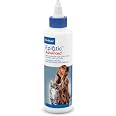
Virbac Epi-Otic Advanced Ear Cleaner
A popular dog and cat ear cleanser for routine maintenance, wax buildup, and sensitive ears.
Check price on Amazon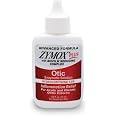
Zymox Otic Enzymatic Ear Solution
An enzymatic ear-care solution often considered by owners dealing with itchy or irritated ears.
Check price on Amazon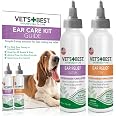
Vet’s Best Dog Ear Cleaner Kit
A two-step wash and dry kit for owners who want a more complete ear-cleaning routine.
Check price on Amazon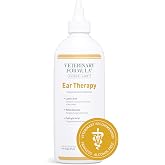
Veterinary Formula Clinical Care Ear Therapy
A straightforward ear cleaner for dogs and cats designed to help manage buildup and odor.
Check price on Amazon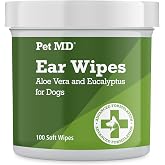
Pet MD Dog Ear Cleaning Wipes
Convenient wipes for light outer-ear cleaning, surface debris, and quick grooming routines.
Check price on Amazon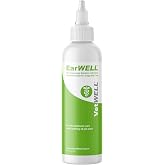
VetWELL Dog Ear Cleaner Solution
A liquid ear cleanser for dogs and cats aimed at odor, wax, and recurring ear-care needs.
Check price on Amazon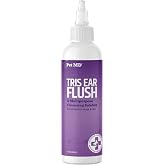
Pet MD Veterinary Tris Flush
A tris flush-style ear cleaner for owners looking for a more targeted ear-care product.
Check price on Amazon
Vet’s Best Ear Relief Finger Wipes
Finger wipes designed for controlled outer-ear cleaning and quick routine grooming.
Check price on AmazonPrices and availability may change over time. Always check the current Amazon product page before buying.
Important: do not choose an ear cleaner only because it has good reviews. If your dog has odor, discharge, swelling, pain, repeated head shaking, or recurring ear issues, contact your veterinarian before using any product.
How to Clean Your Dog’s Ears Safely
Choose a quiet place and have everything ready before you start. You may need a dog ear cleaner, cotton balls or gauze, treats, and a towel. Ear cleaning can be messy because your dog will probably shake their head.
Start by lifting the ear flap gently. Look inside the ear without forcing anything. If the ear is only mildly dirty and your dog is comfortable, apply the cleaner according to the product instructions.
After applying the cleaner, gently massage the base of the ear. You may hear a soft squishing sound as the liquid moves inside the canal. This helps loosen wax and debris.
Then let your dog shake their head. After that, wipe away the loosened material from the visible part of the ear using cotton balls or gauze. Do not push anything deep into the canal.
VCA’s guide to ear cleaning in dogs gives a helpful overview of how to use ear cleaning solution safely and why the right cleaner matters.
When Not to Clean Your Dog’s Ears at Home
There are times when cleaning at home is not the right move.
- The ear is very painful.
- The ear is swollen, bleeding, or producing heavy discharge.
- Your dog has a strong head tilt or balance problems.
- Your dog becomes panicked, aggressive, or extremely stressed during cleaning.
- The same ear problem keeps coming back again and again.
If your dog has repeated ear infections, the answer is not simply more cleaning. The underlying cause needs to be identified.
Best Ear Cleaner Routine by Dog Type
Dogs with Healthy Ears
If your dog’s ears are clean, pink, odor-free, and comfortable to touch, frequent cleaning may not be necessary. Check the ears regularly, but avoid overcleaning.
Dogs with Floppy Ears
Dogs with floppy ears may need closer monitoring because airflow can be reduced. Check for odor, wax, and moisture, especially after baths or outdoor activity.
Dogs That Swim
Swimming dogs may benefit from a drying cleaner after water exposure. Ask your veterinarian which cleaner is appropriate and how often to use it.
Dogs with Allergies
Dogs with allergies may be more prone to recurring ear irritation. If your dog also has itchy skin, paw licking, or seasonal flare-ups, ear care should be part of a broader allergy-management plan.
Dogs with Recurring Ear Problems
Recurring ear problems should be discussed with a veterinarian. A long-term plan may include specific cleaning products, allergy control, medication, or periodic ear checks.
Can Ear Cleaners Prevent Ear Infections?
Ear cleaners can support ear hygiene, but they cannot guarantee that your dog will never get an ear infection.
They may help reduce wax, debris, and moisture when used correctly. However, if your dog’s ear problems are caused by allergies, anatomy, chronic inflammation, or another medical issue, cleaning alone may not be enough.
The best approach is prevention plus observation. Use the right cleaner when needed, check your dog’s ears regularly, and act early when symptoms appear.
FAQ
What is the best ear cleaner for dogs?
The best ear cleaner depends on your dog’s needs. A dog with healthy ears may only need a gentle maintenance cleaner, while a dog with recurring problems may need a veterinarian-recommended product.
Can I use hydrogen peroxide to clean my dog’s ears?
No, not unless your veterinarian specifically recommends it. Hydrogen peroxide can irritate the ear canal, especially if the ear is already inflamed.
Can I use alcohol to clean my dog’s ears?
Alcohol-based products may sting and irritate the ear. It is better to use a dog-specific ear cleaner recommended by your veterinarian.
How often should I clean my dog’s ears?
It depends on your dog. Some dogs rarely need cleaning, while others need regular care. Do not clean too often unless your veterinarian has advised a specific routine.
Are ear wipes enough for dogs?
Ear wipes can help clean the outer ear, but they do not flush the ear canal. They are useful for light surface cleaning, not for deeper wax or suspected infection.
Should I clean my dog’s ears if they smell bad?
A bad smell can be a sign of infection or irritation. If the odor is strong, persistent, or comes with redness, discharge, or scratching, contact your veterinarian before cleaning.
Can ear cleaners cure ear infections?
No. Ear cleaners can help with hygiene, but infections may need veterinary diagnosis and treatment. Do not rely on a cleaner alone if your dog has clear symptoms.
Final Thoughts
The best ear cleaners for dogs are gentle, dog-specific, and matched to your dog’s actual needs. A cleaner that works well for a swimming dog may not be right for a dog with sensitive ears or chronic infections.
Use ear cleaners carefully, avoid harsh ingredients, and never push cotton swabs deep into the canal. Most importantly, do not use cleaning as a substitute for veterinary care when your dog has pain, odor, discharge, swelling, or recurring symptoms.
A simple routine can make a big difference: check your dog’s ears regularly, clean only when needed, use safe products, and call your veterinarian when something does not look right.
Finding the best ear cleaners for dogs can be confusing. Some products are made for routine maintenance, others help remove wax, and some are designed for dogs that swim or have sensitive ears.
The important thing is that not every dog needs the same type of cleaner. A dog with healthy ears may only need occasional cleaning, while a dog with recurring irritation, wax buildup, or frequent ear problems may need a more specific routine recommended by a veterinarian.
Ear cleaners can be useful, but they are not a substitute for veterinary care when an ear is painful, swollen, infected, or producing discharge. The goal is to use the right product at the right time, without irritating the ear canal or making an existing problem worse.
Quick answer: the best ear cleaner for your dog is a gentle, dog-specific solution that matches your dog’s needs. Avoid harsh home remedies, do not push cotton swabs deep into the ear canal, and call your veterinarian if there is pain, odor, redness, discharge, or repeated ear trouble.
Why Dog Ear Cleaners Matter
A dog’s ear canal can trap moisture, wax, dirt, and debris. In some dogs, especially those with floppy ears, allergies, heavy ear hair, or a history of ear problems, this can create the perfect environment for irritation.
A good ear cleaner can help loosen wax and debris before they become a bigger problem. Some cleaners also help dry the ear canal after swimming or bathing. Others are designed to be gentle enough for dogs with sensitive skin.
However, ear cleaning should be done carefully. Cleaning too often, using the wrong product, or pushing material deeper into the ear can irritate the canal. If your dog already has pain, swelling, strong odor, or discharge, contact your veterinarian before putting anything into the ear.
When Should You Use an Ear Cleaner?
You do not need to clean your dog’s ears every week simply because it feels like good hygiene. Some dogs have naturally clean ears and do not need frequent cleaning.
An ear cleaner may be useful when your dog has mild wax buildup, visible dirt around the ear opening, or moisture after swimming or bathing. It may also be part of a routine recommended by your veterinarian if your dog has a history of recurring ear issues.
Cleaning can also help you notice early changes. If you gently inspect your dog’s ears and see redness, smell a strong odor, or notice that your dog reacts with pain, that is important information. In that case, stop cleaning and ask your veterinarian what to do next.
If your dog has recently shown dog ear infection symptoms, such as head shaking, scratching, odor, redness, or discharge, do not treat the problem as simple dirt. Those signs may need proper diagnosis.
What to Look for in the Best Ear Cleaners for Dogs
The best ear cleaners for dogs are usually gentle, dog-specific, and appropriate for the reason you are using them.
For routine cleaning, look for a product made specifically for dogs. It should be suitable for the ear canal, easy to apply, and designed to help loosen wax and debris. A good cleaner should not sting, burn, or leave the ear excessively wet.
For dogs that swim often, a cleaner with a drying effect may be useful. Moisture can remain in the ear canal after swimming or bathing, especially in dogs with floppy ears. A drying cleaner can help reduce that moisture when used correctly.
For dogs with sensitive skin, the priority is gentleness. Strong fragrances, harsh ingredients, and aggressive cleaning routines may cause irritation. If your dog reacts badly to ear cleaning, stop and ask your veterinarian which product is safer.
What to Avoid in Dog Ear Cleaners
Avoid harsh products unless your veterinarian specifically recommends them. Alcohol, hydrogen peroxide, essential oils, vinegar mixtures, and human ear products can irritate the ear canal, especially when the ear is already inflamed.
You should also avoid using cotton swabs deep inside the ear canal. They can push wax and debris deeper instead of removing it. They may also hurt the ear if your dog suddenly moves.
If the ear looks red, swollen, painful, ulcerated, or has heavy discharge, do not experiment with home remedies. The ear may need veterinary treatment rather than simple cleaning.
7 Vet-Approved Tips for Choosing the Best Ear Cleaner
1. Choose a Dog-Specific Ear Cleaner
The first rule is simple: use a cleaner made for dogs. Human ear products are not designed for canine ear canals and may not be appropriate for your pet.
A dog-specific cleaner is formulated for the type of wax, moisture, and debris commonly found in dogs’ ears. It is also more likely to be compatible with the cleaning method veterinarians recommend.
2. Match the Cleaner to Your Dog’s Needs
The best ear cleaner for one dog may not be the best option for another.
A dog with occasional wax may need a basic maintenance cleaner. A dog that swims may benefit from a drying cleaner. A dog with sensitive ears may need a mild formula. A dog with recurring ear problems may need a specific product recommended by a veterinarian.
3. Avoid Harsh Ingredients
Harsh cleaners can make ear problems worse. Alcohol and hydrogen peroxide are common examples of ingredients that may irritate the canal, especially if the ear is already inflamed.
A cleaner should help the ear feel better, not make your dog pull away, cry, shake excessively, or become afraid of cleaning.
4. Do Not Use Ear Cleaners as Infection Treatment
Ear cleaners are useful for hygiene and maintenance, but they do not replace diagnosis or treatment.
If your dog has a true infection, the cause may be yeast, bacteria, allergies, ear mites, trapped moisture, or another underlying issue. Different causes may need different treatment.
If your dog has recurring problems, read more about common ear infections in dogs and speak with your veterinarian about why the issue keeps returning.
5. Consider Drying Cleaners for Dogs That Swim
Dogs that swim or get frequent baths may have more moisture in the ears. Moisture does not automatically mean infection, but it can contribute to irritation in dogs that are prone to ear problems.
A drying ear cleaner may be useful after swimming, especially for dogs with floppy ears or a history of moisture-related irritation. Do not overuse drying cleaners, though. Too much cleaning can dry or irritate the ear canal.
6. Use Wipes Only for Light Outer-Ear Cleaning
Ear wipes can be convenient, but they are not the same as a liquid ear cleaner.
Wipes are best for light cleaning around the outer ear flap and visible areas near the opening. They may help remove surface dirt, but they will not properly flush the ear canal.
Never push a wipe deep into the ear. If the problem is inside the canal, a wipe will not solve it.
7. Ask Your Vet Before Using Medicated Cleaners
Some ear cleaners contain antibacterial, antifungal, or medicated ingredients. These may be useful in certain cases, but they should not be used casually.
If your dog needs a medicated cleaner, your veterinarian should guide the choice. Using the wrong product may delay proper treatment or make symptoms harder to interpret.
Recommended Dog Ear Cleaners to Consider
There is no single best ear cleaner for every dog. The right option depends on your dog’s ears, lifestyle, sensitivity, and whether your veterinarian has recommended a specific type of product.
Affiliate note: Some links in this article may be affiliate links. If you buy through them, we may earn a small commission at no extra cost to you.
Virbac Epi-Otic Advanced Ear Cleaner
A popular dog and cat ear cleanser for routine maintenance, wax buildup, and sensitive ears.
Check price on Amazon
Zymox Otic Enzymatic Ear Solution
An enzymatic ear-care solution often considered by owners dealing with itchy or irritated ears.
Check price on Amazon
Vet’s Best Dog Ear Cleaner Kit
A two-step wash and dry kit for owners who want a more complete ear-cleaning routine.
Check price on Amazon
Veterinary Formula Clinical Care Ear Therapy
A straightforward ear cleaner for dogs and cats designed to help manage buildup and odor.
Check price on Amazon
Pet MD Dog Ear Cleaning Wipes
Convenient wipes for light outer-ear cleaning, surface debris, and quick grooming routines.
Check price on Amazon
VetWELL Dog Ear Cleaner Solution
A liquid ear cleanser for dogs and cats aimed at odor, wax, and recurring ear-care needs.
Check price on Amazon
Pet MD Veterinary Tris Flush
A tris flush-style ear cleaner for owners looking for a more targeted ear-care product.
Check price on Amazon
Vet’s Best Ear Relief Finger Wipes
Finger wipes designed for controlled outer-ear cleaning and quick routine grooming.
Check price on AmazonPrices and availability may change over time. Always check the current Amazon product page before buying.
Important: do not choose an ear cleaner only because it has good reviews. If your dog has odor, discharge, swelling, pain, repeated head shaking, or recurring ear issues, contact your veterinarian before using any product.
How to Clean Your Dog’s Ears Safely
Choose a quiet place and have everything ready before you start. You may need a dog ear cleaner, cotton balls or gauze, treats, and a towel. Ear cleaning can be messy because your dog will probably shake their head.
Start by lifting the ear flap gently. Look inside the ear without forcing anything. If the ear is only mildly dirty and your dog is comfortable, apply the cleaner according to the product instructions.
After applying the cleaner, gently massage the base of the ear. You may hear a soft squishing sound as the liquid moves inside the canal. This helps loosen wax and debris.
Then let your dog shake their head. After that, wipe away the loosened material from the visible part of the ear using cotton balls or gauze. Do not push anything deep into the canal.
VCA’s guide to ear cleaning in dogs gives a helpful overview of how to use ear cleaning solution safely and why the right cleaner matters.
When Not to Clean Your Dog’s Ears at Home
There are times when cleaning at home is not the right move.
- The ear is very painful.
- The ear is swollen, bleeding, or producing heavy discharge.
- Your dog has a strong head tilt or balance problems.
- Your dog becomes panicked, aggressive, or extremely stressed during cleaning.
- The same ear problem keeps coming back again and again.
If your dog has repeated ear infections, the answer is not simply more cleaning. The underlying cause needs to be identified.
Best Ear Cleaner Routine by Dog Type
Dogs with Healthy Ears
If your dog’s ears are clean, pink, odor-free, and comfortable to touch, frequent cleaning may not be necessary. Check the ears regularly, but avoid overcleaning.
Dogs with Floppy Ears
Dogs with floppy ears may need closer monitoring because airflow can be reduced. Check for odor, wax, and moisture, especially after baths or outdoor activity.
Dogs That Swim
Swimming dogs may benefit from a drying cleaner after water exposure. Ask your veterinarian which cleaner is appropriate and how often to use it.
Dogs with Allergies
Dogs with allergies may be more prone to recurring ear irritation. If your dog also has itchy skin, paw licking, or seasonal flare-ups, ear care should be part of a broader allergy-management plan.
Dogs with Recurring Ear Problems
Recurring ear problems should be discussed with a veterinarian. A long-term plan may include specific cleaning products, allergy control, medication, or periodic ear checks.
Can Ear Cleaners Prevent Ear Infections?
Ear cleaners can support ear hygiene, but they cannot guarantee that your dog will never get an ear infection.
They may help reduce wax, debris, and moisture when used correctly. However, if your dog’s ear problems are caused by allergies, anatomy, chronic inflammation, or another medical issue, cleaning alone may not be enough.
The best approach is prevention plus observation. Use the right cleaner when needed, check your dog’s ears regularly, and act early when symptoms appear.
FAQ
What is the best ear cleaner for dogs?
The best ear cleaner depends on your dog’s needs. A dog with healthy ears may only need a gentle maintenance cleaner, while a dog with recurring problems may need a veterinarian-recommended product.
Can I use hydrogen peroxide to clean my dog’s ears?
No, not unless your veterinarian specifically recommends it. Hydrogen peroxide can irritate the ear canal, especially if the ear is already inflamed.
Can I use alcohol to clean my dog’s ears?
Alcohol-based products may sting and irritate the ear. It is better to use a dog-specific ear cleaner recommended by your veterinarian.
How often should I clean my dog’s ears?
It depends on your dog. Some dogs rarely need cleaning, while others need regular care. Do not clean too often unless your veterinarian has advised a specific routine.
Are ear wipes enough for dogs?
Ear wipes can help clean the outer ear, but they do not flush the ear canal. They are useful for light surface cleaning, not for deeper wax or suspected infection.
Should I clean my dog’s ears if they smell bad?
A bad smell can be a sign of infection or irritation. If the odor is strong, persistent, or comes with redness, discharge, or scratching, contact your veterinarian before cleaning.
Can ear cleaners cure ear infections?
No. Ear cleaners can help with hygiene, but infections may need veterinary diagnosis and treatment. Do not rely on a cleaner alone if your dog has clear symptoms.
Final Thoughts
The best ear cleaners for dogs are gentle, dog-specific, and matched to your dog’s actual needs. A cleaner that works well for a swimming dog may not be right for a dog with sensitive ears or chronic infections.
Use ear cleaners carefully, avoid harsh ingredients, and never push cotton swabs deep into the canal. Most importantly, do not use cleaning as a substitute for veterinary care when your dog has pain, odor, discharge, swelling, or recurring symptoms.
A simple routine can make a big difference: check your dog’s ears regularly, clean only when needed, use safe products, and call your veterinarian when something does not look right.