Choosing the best food for dogs with allergies is not as simple as buying the most expensive bag or switching to a grain-free diet. Food allergies can cause itching, paw licking, recurring ear problems, red skin, vomiting, diarrhea, or ongoing digestive upset, but those signs can also come from many other conditions.
The most important thing to understand is this: dog food does not “cure” allergies in every case. If your dog truly has a food allergy, the goal is to identify and avoid the trigger ingredient. That usually requires a strict elimination diet trial guided by your veterinarian.
Some foods may be useful as part of that process. Others may be better for dogs with sensitive stomachs or mild ingredient sensitivities, but they are not a substitute for diagnosis. This guide explains what to look for, what to avoid, and which types of food are worth discussing with your vet.
Quick answer: the best food for dogs with allergies is usually a vet-guided diet that fits the dog’s specific problem. Hydrolyzed protein diets, novel protein diets, and limited ingredient diets may all have a role, but the right choice depends on your dog’s history, symptoms, and veterinary plan.
What Does “Food for Dogs with Allergies” Really Mean?
When brands use words like “sensitive,” “limited ingredient,” or “hypoallergenic,” they do not always mean the same thing.
A limited ingredient diet usually contains fewer main ingredients than a standard food. A novel protein diet uses a protein source your dog has not eaten before. A hydrolyzed protein diet contains proteins broken into smaller pieces that may be less likely to trigger an immune reaction.
For a dog with suspected food allergy, the most useful food is not simply “clean” or “natural.” It is a food that helps create a controlled diet trial, avoids previous ingredients, and is nutritionally complete.
Food Allergy vs. Sensitive Stomach
Food allergies and sensitive stomach issues can overlap, but they are not the same.
A true food allergy involves the immune system. It may cause itching, recurring ear problems, inflamed skin, paw licking, and sometimes digestive signs. A sensitive stomach may involve loose stool, gas, vomiting, or digestive discomfort without a true allergic reaction.
This matters because a food that helps a sensitive stomach may not be enough for a true food allergy. If your dog has chronic itching or recurring ear infections, food alone should not be chosen by guesswork.
For more background, read our guide to food allergies in dogs.
7 Things to Look for Before You Buy
1. Veterinary Guidance for True Allergy Cases
If your dog has severe itching, recurring ear infections, hot spots, vomiting, diarrhea, or symptoms that keep coming back, start with your veterinarian.
A proper food allergy workup may require a strict elimination diet. During that trial, your dog may need to avoid treats, table scraps, flavored medications, chews, supplements, and any food outside the plan.
2. Hydrolyzed Protein Diets
Hydrolyzed protein foods are often used in veterinary diet trials. The proteins are broken into smaller pieces, which may reduce the chance of triggering an immune reaction in some dogs.
These diets are usually more controlled than ordinary store-bought foods. Many require veterinary authorization, and they should be used as directed.
3. Novel Protein Options
A novel protein is a protein your dog has not eaten before. Examples may include duck, venison, rabbit, fish, or other less familiar protein sources, depending on your dog’s past diet.
The key is not whether the protein sounds unusual. The key is whether your dog has truly not eaten it before.
4. Limited Ingredient Formulas
Limited ingredient diets can be helpful for some dogs because they reduce the number of major ingredients. This may make it easier to avoid certain proteins or identify patterns.
However, limited ingredient does not automatically mean hypoallergenic. A limited ingredient food can still contain something your dog reacts to.
5. Complete and Balanced Nutrition
Any long-term dog food should be nutritionally complete and appropriate for your dog’s life stage, size, and health status.
Do not create a long-term homemade allergy diet without veterinary nutrition guidance. Homemade diets can become unbalanced if they are not carefully formulated.
6. No Random Food Switching
Changing foods every few days makes it harder to understand what is helping or hurting.
If food allergy is suspected, a structured diet trial is much more useful than constant switching. Random changes may also upset your dog’s stomach and confuse the results.
7. Realistic Expectations
Even the best food cannot solve every allergy case. Many dogs have environmental allergies, flea allergy, ear infections, yeast overgrowth, bacterial skin infections, or more than one issue at the same time.
If your dog has recurring ear symptoms, read our guide to chronic ear infections in dogs. Food may be part of the picture, but it is not always the only cause.
Recommended Dog Foods to Consider
The foods below are examples of popular options owners often consider for dogs with suspected food sensitivities, allergies, or sensitive skin and stomach issues. They are not a replacement for veterinary diagnosis.
Important: prescription and veterinary diets should be used with your veterinarian’s guidance. Do not start a strict elimination diet without understanding what your dog can and cannot eat during the trial.
Affiliate note: Some links in this article may be affiliate links. If you buy through them, we may earn a small commission at no extra cost to you.
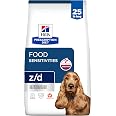
Hill’s Prescription Diet z/d
A veterinary hydrolyzed diet designed for dogs with food sensitivities. Best discussed with your vet before use.
Check price on Amazon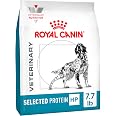
Royal Canin Hydrolyzed Protein HP
A hydrolyzed protein veterinary diet often considered for food sensitivity and elimination feeding plans.
Check price on Amazon
Purina Pro Plan Veterinary Diets HA
A veterinary hydrolyzed protein formula with controlled protein and carbohydrate sources.
Check price on Amazon
Blue Buffalo Basics Salmon & Potato
A limited ingredient salmon recipe for owners looking to avoid common proteins like chicken.
Check price on Amazon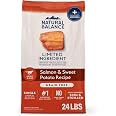
Natural Balance Limited Ingredient Salmon & Sweet Potato
A salmon and sweet potato limited ingredient option for dogs with ingredient sensitivities.
Check price on Amazon
Purina Pro Plan Sensitive Skin & Stomach Salmon
A non-prescription salmon and rice formula for dogs with sensitive skin or stomach needs.
Check price on Amazon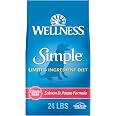
Wellness Simple Salmon & Potato
A chicken-free limited ingredient recipe built around salmon and potatoes.
Check price on AmazonPrices, availability, sizes, formulas, and prescription requirements may change. Always check the current Amazon product page and consult your veterinarian before starting a diet for allergy symptoms.
Hydrolyzed vs. Limited Ingredient Dog Food
Hydrolyzed diets and limited ingredient diets are not the same.
Hydrolyzed diets are usually more controlled and are often used in veterinary allergy trials. The protein is broken down into smaller pieces. Limited ingredient diets simply reduce the number of major ingredients, but they may still contain proteins or additives your dog has eaten before.
For a true elimination diet, your veterinarian may prefer a veterinary hydrolyzed diet or a specific novel protein diet. For general sensitivity support, some owners may consider non-prescription limited ingredient options, but these are not always diagnostic tools.
Should You Choose Grain-Free Food?
Do not assume that grain-free automatically means better for allergies.
Many suspected food allergies involve proteins such as chicken, beef, dairy, or other animal proteins. Grains are not always the problem. A grain-free food can still contain an ingredient your dog reacts to.
Choose based on your dog’s history and your veterinarian’s advice, not marketing words alone.
How to Start a Food Trial Safely
If your veterinarian recommends a food trial, follow the instructions carefully.
- Feed only the approved diet.
- Avoid table scraps.
- Avoid unapproved treats.
- Check flavored medications and supplements.
- Keep other pets’ food away.
- Track itching, ear symptoms, stool quality, and skin changes.
- Do not stop early unless your veterinarian tells you to.
A strict trial is inconvenient, but it gives much better information than random food switching.
Food and Ear Problems
Food allergies can sometimes contribute to recurring ear inflammation or infections. Dogs with allergic disease may develop red, itchy, waxy, or smelly ears.
If your dog has head shaking, odor, discharge, or pain, read our guide to dog ear infection symptoms. Ear symptoms should not be treated with diet alone if infection is present.
When to Call Your Veterinarian
Call your veterinarian if your dog has chronic itching, paw licking, recurring ear infections, hot spots, hair loss, vomiting, diarrhea, weight loss, or symptoms that keep returning.
You should also call before starting a prescription diet, hydrolyzed diet, home-cooked elimination diet, or strict food trial.
For a broader overview of allergic disease, read our main guide to dog allergies.
VCA’s guide to food allergies in dogs explains why strict elimination feeding is important when food allergy is suspected.
FAQ
What is the best food for dogs with allergies?
The best food depends on your dog’s suspected trigger, symptoms, and diet history. Veterinary hydrolyzed diets, novel protein diets, and limited ingredient diets may all be considered depending on the case.
Is hydrolyzed dog food better for allergies?
Hydrolyzed dog food can be useful in veterinary elimination diet trials because the protein is broken into smaller pieces. It is best used with veterinary guidance.
Is limited ingredient dog food enough for allergies?
Sometimes it may help, but it is not always enough for diagnosing true food allergy. Limited ingredient food can still contain ingredients your dog reacts to.
Should I switch to grain-free food?
Not automatically. Grain-free food is not the same as hypoallergenic food. Many dog food allergies involve proteins rather than grains.
How long does it take to see improvement?
Food trials often take several weeks. Some digestive signs may improve sooner, but skin and ear symptoms can take longer. Follow your veterinarian’s timeline.
Can dog food stop ear infections?
If food allergy is contributing to ear inflammation, the right diet may help reduce flare-ups. But active ear infections usually need veterinary diagnosis and treatment.
Can I make homemade food for allergies?
Only with veterinary nutrition guidance. Homemade diets can become unbalanced if they are not carefully formulated.
Final Thoughts
The best food for dogs with allergies is not chosen by guesswork. It depends on whether your dog truly has a food allergy, what ingredients your dog has eaten before, and whether a strict elimination diet is needed.
Hydrolyzed diets, novel protein diets, and limited ingredient formulas can all have a place, but they are tools, not magic cures.
If your dog has chronic itching, recurring ear problems, paw licking, hot spots, or digestive issues, work with your veterinarian before changing foods repeatedly. A clear plan will give you better answers and a better chance of helping your dog feel comfortable again.