Choosing the best dog food for large breeds is different from choosing food for small or medium dogs. Large breed dogs often need careful calorie control, strong muscle support, joint-friendly weight management, digestible ingredients, and food that matches their life stage.
The right food is especially important because large dogs carry more weight on their joints. Extra pounds can make mobility harder over time, while poor nutrition can affect muscle condition, digestion, coat quality, energy, and overall health.
The best choice is not simply the biggest bag or the highest-protein formula. It is the food that helps your large dog maintain a healthy body condition, steady energy, good digestion, lean muscle, and comfortable movement.
Quick answer: the best dog food for large breeds is complete and balanced, appropriate for your dog’s life stage, calorie-controlled, digestible, and supportive of healthy weight and lean muscle. Large breed puppies need special formulas for controlled growth, while adult large dogs need food that helps prevent excess weight gain.
Why Large Breed Dogs Need Different Food
Large breed dogs have different nutritional priorities than smaller dogs. Their size affects calorie needs, growth patterns, joint stress, kibble size, and feeding strategy.
A large dog does not necessarily need unlimited food. In fact, overfeeding is one of the biggest risks. Extra weight can put more stress on hips, elbows, knees, and the spine.
For large breed puppies, the issue is even more important. Rapid growth and improper mineral balance may create problems, so large breed puppy formulas are designed differently from ordinary puppy food.
What Counts as a Large Breed Dog?
Definitions vary, but large breed dogs are often dogs expected to weigh about 50 pounds or more as adults. Giant breeds may weigh 90 pounds or more.
Examples may include Labrador Retrievers, Golden Retrievers, German Shepherds, Boxers, Rottweilers, Doberman Pinschers, Bernese Mountain Dogs, Great Danes, Mastiffs, Newfoundlands, and similar breeds or mixes.
Your dog’s expected adult weight matters most when choosing food, especially during puppy growth.
Large Breed Dog Food Checklist
| What to Check | Why It Matters | What to Look For |
|---|---|---|
| Life stage | Puppies, adults, and seniors have different needs. | Growth, adult maintenance, senior, or all life stages as appropriate. |
| Large breed suitability | Large breed puppies need controlled growth nutrition. | Large breed puppy formula for growing large dogs. |
| Calories | Large dogs can gain weight quickly when overfed. | Clear calories per cup and measured portions. |
| Protein quality | Supports lean muscle and body condition. | Quality animal protein sources and digestible ingredients. |
| Joint-friendly weight control | Extra body weight increases joint stress. | Food that helps maintain healthy body condition. |
| Kibble size | Larger dogs may benefit from kibble that encourages chewing. | Appropriate kibble size for your dog’s mouth and eating style. |
7 Smart Picks for Large Breed Dogs
The foods below are popular large breed dog food options available through Amazon.com for U.S. readers. They are not medical prescriptions and may not be right for every dog.
Before you buy: choose food based on your dog’s life stage, expected adult size, body condition, activity level, digestion, joint health, and veterinary guidance. If your dog has a medical condition, ask your veterinarian before changing diets.
Affiliate note: Some links in this article may be affiliate links. If you buy through them, we may earn a small commission at no extra cost to you.
Purina Pro Plan High Protein Large Breed Chicken & Rice
A large breed adult formula with chicken and rice, designed for large dogs that need muscle support, digestive health, and complete adult nutrition.
Check price on AmazonRoyal Canin Size Health Nutrition Large Adult
A large adult dry dog food made for dogs weighing 56 to 100 pounds, with nutrition focused on bones, joints, digestion, and adult large breed maintenance.
Check price on AmazonHill’s Science Diet Large Breed Adult
A large breed adult food with balanced nutrition designed to support large dogs through everyday feeding.
Check price on Amazon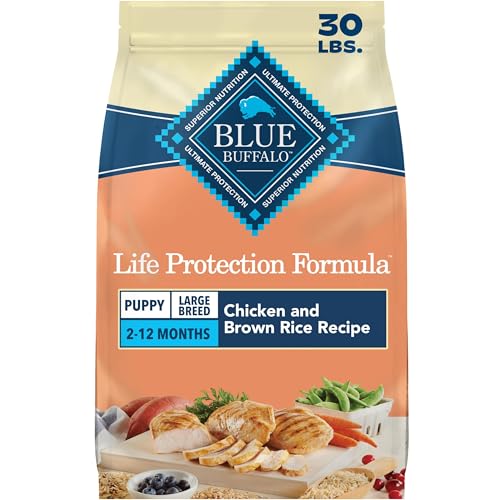
Blue Buffalo Life Protection Large Breed
A chicken and brown rice large breed formula marketed for energy, muscle maintenance, immune health, and joint support.
Check price on AmazonIAMS Proactive Health Adult Large Breed Chicken & Whole Grain
A large breed adult formula with real chicken as the first ingredient, designed for large dogs that need accessible everyday nutrition and whole-body support.
Check price on AmazonEukanuba Adult Large Breed Dry Dog Food
A large breed adult dry dog food designed for active large dogs, with animal protein, glucosamine, and chondroitin to support lean muscle and joint health.
Check price on Amazon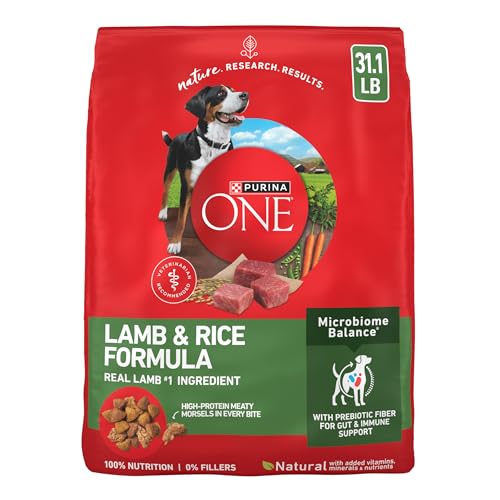
Purina ONE Plus Large Breed Adult
A large breed adult formula with chicken, made for large dogs that need accessible everyday nutrition.
Check price on AmazonPrices, availability, formulas, bag sizes, and seller details may change. Always check the current Amazon product page before buying.
Best Food for Large Breed Puppies
Large breed puppies need special nutrition for controlled growth. This is one of the most important differences between large breed and small breed feeding.
Large breed puppy food is designed to support growth without encouraging excessive weight gain or inappropriate mineral intake. Do not feed a standard puppy food to a large breed puppy without checking whether it is suitable for large breed growth.
If your dog is still growing, read our guide to best dog food for puppies in 2026. For feeding timing, see our puppy feeding schedule.
Best Food for Large Senior Dogs
Large senior dogs often need careful weight control and muscle support. Excess weight can make mobility harder, while muscle loss can reduce strength and stability.
Some older large dogs may benefit from senior formulas, weight-management diets, or veterinary diets depending on health status.
If your large dog is older, read our senior dog feeding guide.
How Much Should Large Breed Dogs Eat?
Large dogs need measured portions. Because the food amounts are larger, it is easy to accidentally overfeed.
Start with the feeding chart on the food label, then adjust based on body condition, activity level, treats, age, and veterinary guidance.
If you are unsure about daily food amounts, read our guide to how much a dog should eat per day.
Large Breeds and Joint Health
Large dogs carry more body weight, which means extra pounds can put additional stress on joints.
Food alone cannot prevent every joint problem, but healthy weight management is one of the most important nutritional tools for supporting mobility.
Some large breed formulas include ingredients marketed for joint support, such as glucosamine, chondroitin, or omega-3 fatty acids. These may be useful for some dogs, but they are not a replacement for veterinary care if your dog has pain, limping, stiffness, or arthritis.
Kibble Size and Eating Style
Large dogs may benefit from kibble that is appropriately sized for their mouths. Some large dogs gulp food quickly, which can create digestive discomfort or choking concerns.
If your dog eats too fast, consider slow feeder bowls, puzzle feeders, or dividing meals. Ask your veterinarian about feeding practices if your dog is a deep-chested breed or at risk for bloat.
Large Breed Dogs with Sensitive Stomachs
Some large dogs have sensitive digestion. Signs may include loose stool, gas, vomiting, or inconsistent appetite.
Do not switch foods every few days. Sudden changes can make stomach upset worse and make it harder to identify the cause.
Transition foods gradually and contact your veterinarian if digestive symptoms are persistent, severe, or associated with weight loss or low energy.
Large Breed Dogs with Allergies
Large dogs can develop food allergies, flea allergy, environmental allergies, or skin conditions just like small dogs.
If your dog has chronic itching, paw licking, recurring ear infections, vomiting, diarrhea, or red skin, do not choose food by guesswork.
For more detail, read our guide to food allergies in dogs and our article on best food for dogs with allergies.
Wet Food vs. Dry Food for Large Breeds
Dry food is convenient and usually easier to measure for large dogs. Wet food can be more appealing and may help some dogs with appetite or chewing issues.
If you combine wet and dry food, count calories from both. Large dogs can gain weight if extra food is added without adjusting the main meal.
For dogs with dental disease, poor appetite, or medical issues, ask your veterinarian which format makes the most sense.
Best Dog Food for Small Breeds vs. Large Breeds
Small breed and large breed foods are designed with different priorities.
Small breed formulas often focus on small kibble and nutrient density for smaller stomachs. Large breed formulas often focus on healthy weight, muscle maintenance, joint support, and controlled growth for puppies.
If you have a small dog, read our guide to best dog food for small breeds.
What to Avoid When Choosing Large Breed Dog Food
- Do not overfeed large breed puppies.
- Do not choose food only because the bag says “large breed.”
- Do not ignore calories per cup.
- Do not let treats become a major calorie source.
- Do not feed adult maintenance food to a growing puppy unless your veterinarian recommends it.
- Do not rely on grain-free marketing unless medically appropriate.
- Do not ignore limping, stiffness, weight gain, vomiting, or diarrhea.
Also keep unsafe human foods away from large dogs. Even large dogs can become seriously ill from toxic foods. Read our guide to foods dogs should never eat.
When to Ask Your Veterinarian
Ask your veterinarian before changing foods if your large dog is a puppy, senior, overweight, underweight, limping, allergic, vomiting, having diarrhea, refusing food, eating a prescription diet, or has a chronic medical condition.
You should also ask for help if your dog is gaining weight, losing muscle, eating too fast, or showing signs of pain or mobility problems.
AAFCO’s guide to selecting the right pet food explains why complete and balanced nutrition should match the dog’s life stage and condition.
VCA’s nutritional considerations for large and giant breed dogs explains why diet selection matters for large and giant breed growth and long-term health.
FAQ
What is the best dog food for large breeds?
The best food depends on your dog’s age, weight, activity level, body condition, digestion, joint health, and medical history. Look for complete and balanced large breed food appropriate for your dog’s life stage.
Do large breed dogs need special food?
Many large dogs benefit from food designed for large breed needs, especially large breed puppies. Adult large dogs may also benefit from formulas focused on weight control, muscle, and joint support.
What is the best food for large breed puppies?
Large breed puppies should usually eat food formulated for large breed growth. Ask your veterinarian what is appropriate based on expected adult size.
Is high protein good for large breed dogs?
High-quality protein helps support lean muscle, but the best protein level depends on the dog’s age, activity, health status, and total diet.
How much should a large breed dog eat?
Start with the feeding guide on the food label, then adjust based on body condition, activity, treats, and veterinary advice.
Should large dogs eat wet or dry food?
Either can work if the food is complete and balanced. Dry food is convenient and easy to measure, while wet food may help some dogs with appetite or chewing issues.
Can large breed dogs eat grain-free food?
Only if it is appropriate and your veterinarian recommends it. Grain-free food is not automatically better for large breeds.
Final Thoughts
The best dog food for large breeds should support healthy weight, lean muscle, digestion, mobility, and life-stage needs.
Large breed puppies need especially careful nutrition for controlled growth. Adult large dogs need measured portions and calorie awareness. Senior large dogs may need extra attention to muscle, weight, joints, and medical conditions.
Choose food carefully, measure portions, watch body condition, and ask your veterinarian for help if your large dog has digestive problems, allergies, weight changes, mobility issues, or chronic health concerns.